Step-by-step guide to designing Rubber Keypads for your product line
A Comprehensive Guide to the Manufacturing and Handling of Rubber Keypads for Optimum Performance
The manufacturing and handling of rubber keypads play an essential role in their efficiency and functionality. Material choice, design accuracy, and advanced manufacturing strategies substantially influence their durability and performance. Comprehending these elements is essential for producing premium products. As numerous advancements arise in this area, exploring their effects might reveal brand-new requirements for functionality and individual experience. What vital aspects will form the future of rubber keypads?
Comprehending Rubber Keypads: Materials and Types
Rubber keypads are vital elements in numerous tools, providing an equilibrium of toughness and tactile responses. These keypads are mostly made from silicone or synthetic rubber, materials chosen for their adaptability and durability. Silicone rubber, specifically, is favored for its outstanding temperature level resistance and durability, making it ideal for different applications, from customer electronic devices to industrial machinery.
There are a number of kinds of rubber keypads, including dome button keypads, which make use of a dome-shaped mechanism that offers tactile responses when pushed. Additionally, there are also flat keypads, which include a smooth surface area and are often used in push-button controls and clinical tools. The selection of product and kind affects the keypad's performance, feel, and general customer experience. Recognizing these aspects is crucial for designers and manufacturers aiming to produce reputable and efficient user interfaces in their items.
The Manufacturing Refine: From Layout to Production
The manufacturing procedure of rubber keypads includes several crucial phases, beginning with layout and ending with production. Developers develop detailed specs and models, ensuring the keypad satisfies aesthetic and useful requirements. Computer-aided style (CAD) software program is typically utilized to imagine the layout and functions before continuing.
Once the style is wrapped up, product option is necessary, with choices normally consisting of silicone or all-natural rubber. In the next stage, molds are developed based on the authorized designs, which will certainly form the keypads during manufacturing.
Following mold and mildew production, the production stage commences, where rubber is combined with additives to enhance efficiency. The blend is then poured into mold and mildews and subjected to heat and pressure, enabling it to strengthen and heal.
The finished keypads go through top quality checks to confirm they fulfill well established criteria, followed by packaging for distribution. This comprehensive procedure warranties peak efficiency in the final item.
Trick Strategies in Rubber Molding
In the domain name of rubber keypads, numerous molding strategies play an essential role in figuring out the top quality and functionality of the last item. One common technique is compression molding, where raw rubber is positioned in a warmed mold and stress is applied, enabling effective automation and harmony. One more substantial technique is injection molding, which entails infusing heated rubber right into a mold, supplying higher precision and facility shapes. Transfer molding, a crossbreed of both methods, is additionally made use of, especially for intricate designs, as it incorporates the benefits of both procedures. Furthermore, fluid silicone rubber (LSR) molding is gaining grip because of its versatility and longevity, making it optimal for high-performance applications. Each strategy possesses one-of-a-kind qualities, affecting variables such as cycle time, product waste, and production costs. Selecting the suitable molding method is crucial for achieving peak efficiency in rubber keypads.
Surface Finishing and Texturing Options
Surface area finishing and texturing options play a vital role in improving the tactile experience and visual appeal of rubber keypads. Producers use various techniques to develop unique surface qualities that impact user communication and item style. Common ending up approaches include matte, glossy, and satin coatings, each supplying different aesthetic impacts and hold levels. Texturing options, such as elevated patterns, grooves, or stippling, additionally boost capability by enhancing traction and lowering slippage throughout usage.
Furthermore, specific textures can be customized to fulfill ergonomic demands, providing comfort during long term use. The choice of surface area finishes and appearances can be influenced by the designated application of the keypad, whether it be for customer electronics, auto controls, or industrial gadgets. Ultimately, careful factor to consider of these alternatives adds greatly to individual complete satisfaction and general product efficiency, making them crucial components in the design and manufacturing procedure of rubber keypads.
Quality Assurance Measures in Rubber Keypad Production
Quality control steps in rubber keypad manufacturing are critical for guaranteeing product dependability and efficiency. These measures encompass material selection requirements, extensive testing procedures, and strict last examination criteria. Together, they develop a thorough framework that helps makers support top quality throughout the manufacturing process.
Material Selection Standards
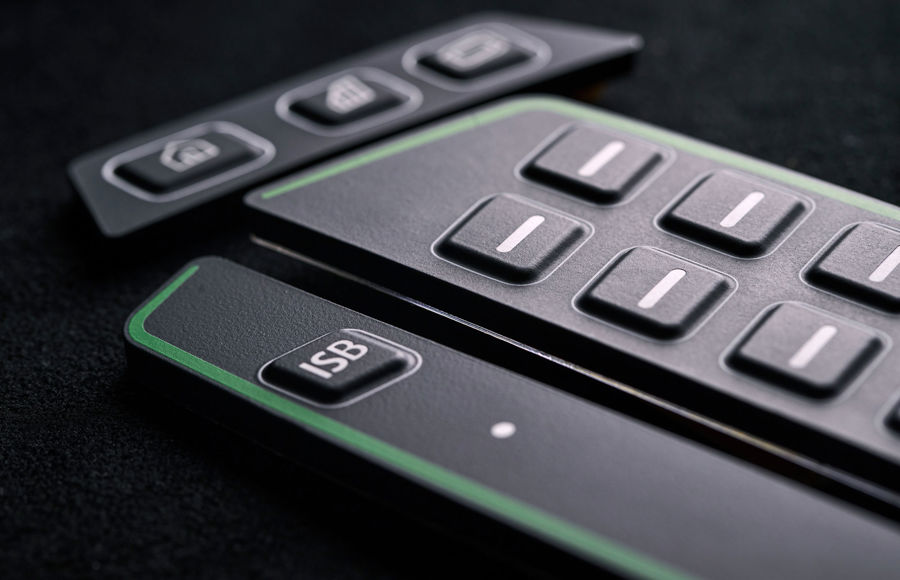
Choosing the ideal products for rubber keypads is important, as it directly influences their functionality, durability, and customer experience. Key standards for material choice consist of tensile stamina, strength, and environmental resistance. The option of rubber compound, such as silicone or polycarbonate elastomer (TPE), plays a vital duty in accomplishing wanted tactile comments and long life. Additionally, aspects like chemical compatibility, temperature security, this and UV resistance must be considered to ensure maximum efficiency in numerous applications. Producers must likewise review the ease of processing and cost-effectiveness of products, stabilizing quality with budget plan restrictions. Ultimately, the appropriate material choice not just enhances the keypad's efficiency but likewise adds to overall product top quality and customer contentment.
Checking Procedures Implemented
After determining the ideal materials for rubber keypads, extensive testing treatments are executed to confirm that the end products satisfy industry standards and consumer assumptions. These treatments commonly include mechanical testing, which examines the resilience and flexibility of the rubber under different conditions. Furthermore, environmental testing analyzes the keypads' efficiency under temperature level fluctuations, moisture, and exposure to chemicals. Electric screening validates the keypads function properly with electronic components, verifying responsiveness and conductivity. In addition, tactile comments is assessed to ensure user complete satisfaction. These comprehensive testing steps are important in determining any kind of problems or inconsistencies prior to mass manufacturing, inevitably boosting the integrity and performance of rubber keypads in their intended applications.

Last Assessment Specifications
Complete last evaluation standards are crucial in rubber keypad production to ensure that each unit satisfies the defined criteria for performance and look. This process generally involves aesthetic assessments to identify any surface area problems, such as discoloration or imperfections. Furthermore, responsive assessments determine that the keypads react properly to touch, maintaining the required level of level of sensitivity. Resilience tests might additionally be performed, mimicing long term usage to confirm the longevity of the keypad under various problems. Moreover, adherence to industry policies and customer specs is validated to maintain quality control. By implementing these rigorous inspection measures, makers can substantially reduce the threat of defects, making sure that the last item is trusted and fulfills customer expectations, ultimately boosting customer contentment.
Developments in Rubber Keypad Technology
As technology proceeds to evolve, innovations in rubber keypad technology are improving individual interfaces throughout numerous markets. One considerable advancement is the integration of capacitive touch sensing units within rubber keypads, permitting a more functional and receptive user experience. This modern technology allows individuals to interact with tools with touch, enhancing functionality without sacrificing the tactile responses that rubber keypads are recognized for.
Furthermore, renovations in product solutions have actually resulted in the development of more long lasting, weather-resistant rubber, making keypads ideal for outside and industrial use. Boosted printing techniques likewise permit high-resolution graphics and backlighting options, raising exposure and visual charm.
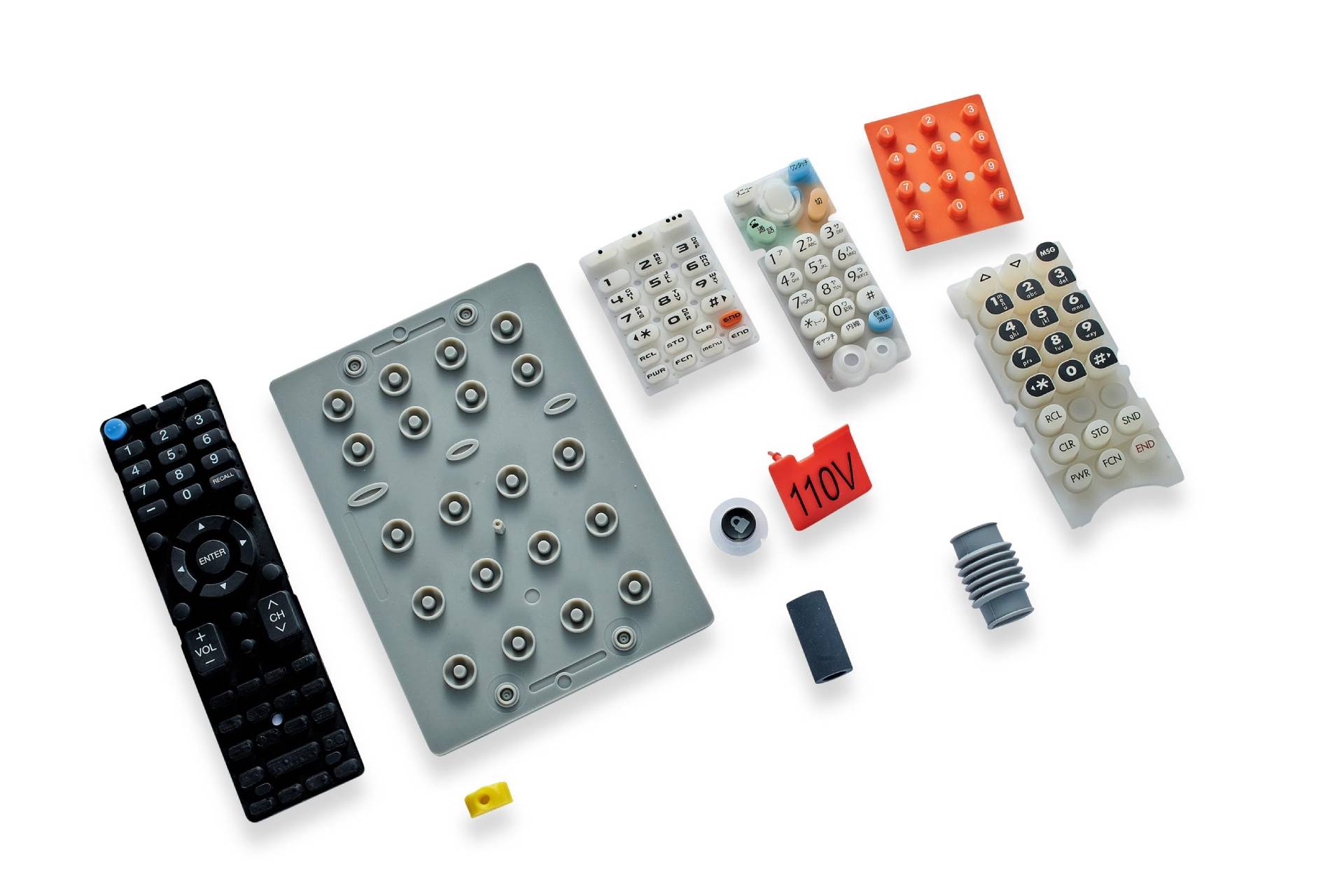
In addition, improvements in making processes, such as 3D printing, are allowing personalized designs and quick prototyping, enhancing manufacturing timelines. These innovations collectively add to a lot more efficient and straightforward rubber keypads, ensuring they meet the needs of contemporary applications while preserving their core advantages.
Finest Practices for Design and Functionality
Designing efficient rubber keypads calls for mindful analysis of both visual appeals and functionality. Rubber Keypads. A well-designed keypad ought to balance ergonomic principles with aesthetic attract improve customer experience. Trick elements include size, form, and spacing of switches, guaranteeing they are easy to press while preventing accidental activation. Utilizing contrasting shades and textures can boost presence and responsive feedback, aiding individuals in differentiating in between tricks
In addition, the selection of materials plays a necessary duty; high-grade rubber substances can enhance sturdiness and resistance to use. It is likewise crucial to consider the combination of functions such as backlighting and customized graphics, which can boost functionality in various environments.
Finally, prototyping and customer testing are invaluable in the design procedure, permitting adjustments based upon real-world comments. By adhering to these ideal practices, producers can produce rubber keypads that not only look enticing however additionally satisfy the functional demands of customers effectively.
Often Asked Inquiries
Exactly how Do I Select the Right Rubber Material for My Keypad?
To select the right rubber material for a keypad, one should take into consideration elements such as toughness, environmental resistance, responsive browse around this site comments, and compatibility with the intended application, guaranteeing ideal efficiency and user satisfaction in different conditions.
What Are the Ecological Impacts of Rubber Keypad Production?
Rubber keypad manufacturing can lead to ecological effects such as logging for natural rubber resources, pollution from chemical processes, and waste generation. Lasting practices and products can alleviate several of these adverse impacts on environments.
Can Rubber Keypads Be Recycled or Recycled?
Rubber keypads can be reused, but the procedure relies on the specific materials used in their manufacturing. Recycling them in different applications is likewise possible, contributing to throw away reduction and promoting sustainability in manufacturing practices.
What Is the Typical Lifespan of a Rubber Keypad?
The ordinary life expectancy of a rubber keypad commonly ranges from 5 to ten years, depending upon use, ecological aspects, and maintenance. Regular care can prolong its performance, while extreme wear might shorten its longevity.
Exist Any Kind Of Health Issues Associated With Rubber Keypad Products?
There are possible wellness problems associated with rubber keypad their explanation products, including allergies to certain chemicals and irritants made use of in manufacturing. Proper handling and awareness of material composition can reduce these risks for users.
There are a number of types of rubber keypads, including dome switch keypads, which use a dome-shaped mechanism that supplies responsive responses when pushed. Picking the ideal materials for rubber keypads is vital, as it directly impacts their individual, capability, and resilience experience - Rubber Keypads. After establishing the appropriate materials for rubber keypads, strenuous screening procedures are implemented to validate that the final items meet market requirements and client assumptions. Rubber keypad production can lead to ecological impacts such as logging for natural rubber sources, air pollution from chemical processes, and waste generation. Rubber keypads can be recycled, yet the process depends on the specific products utilized in their production